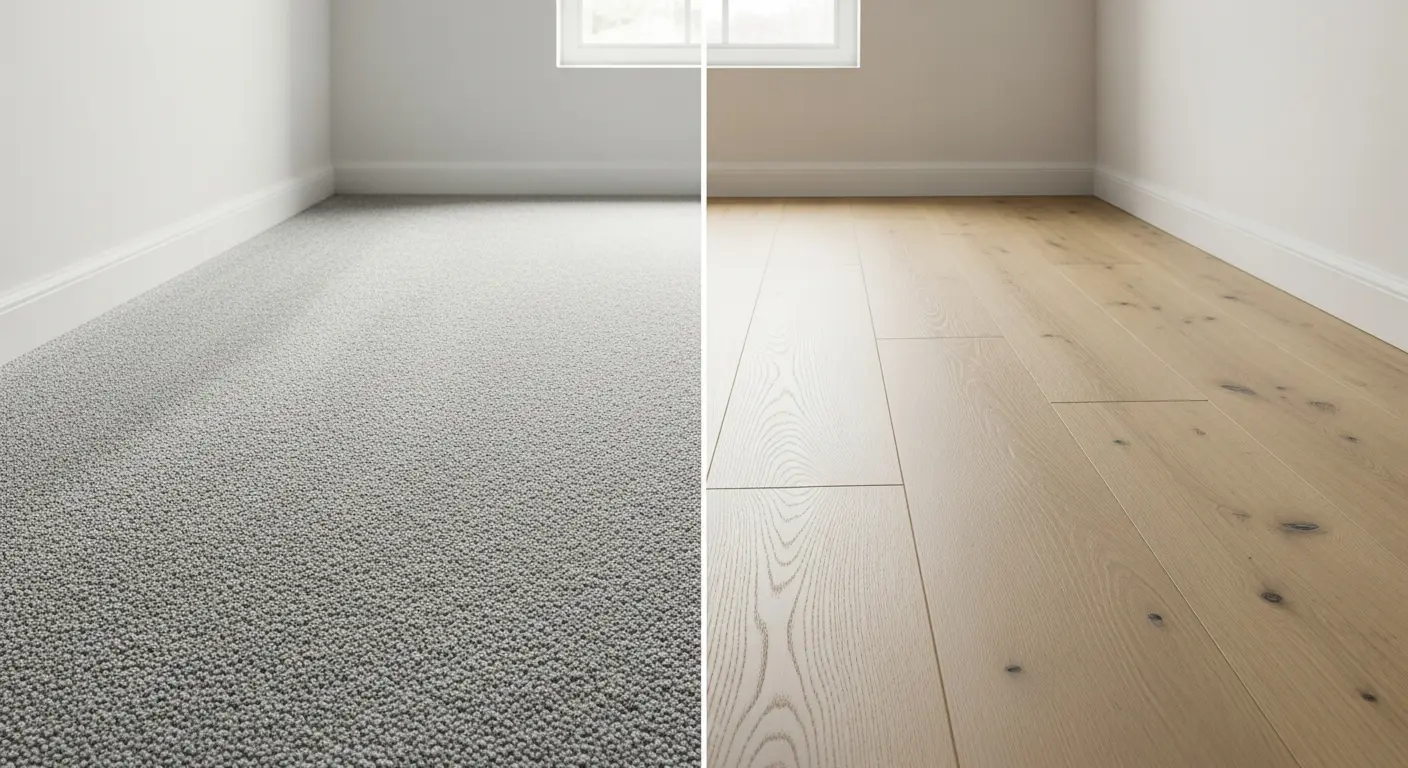
How to Choose the Right Carpet for Your London Home
A practical guide to choosing carpet for London properties — wool vs synthetic, pile types, acoustic underlay for flats, and room-by-room recommendations.
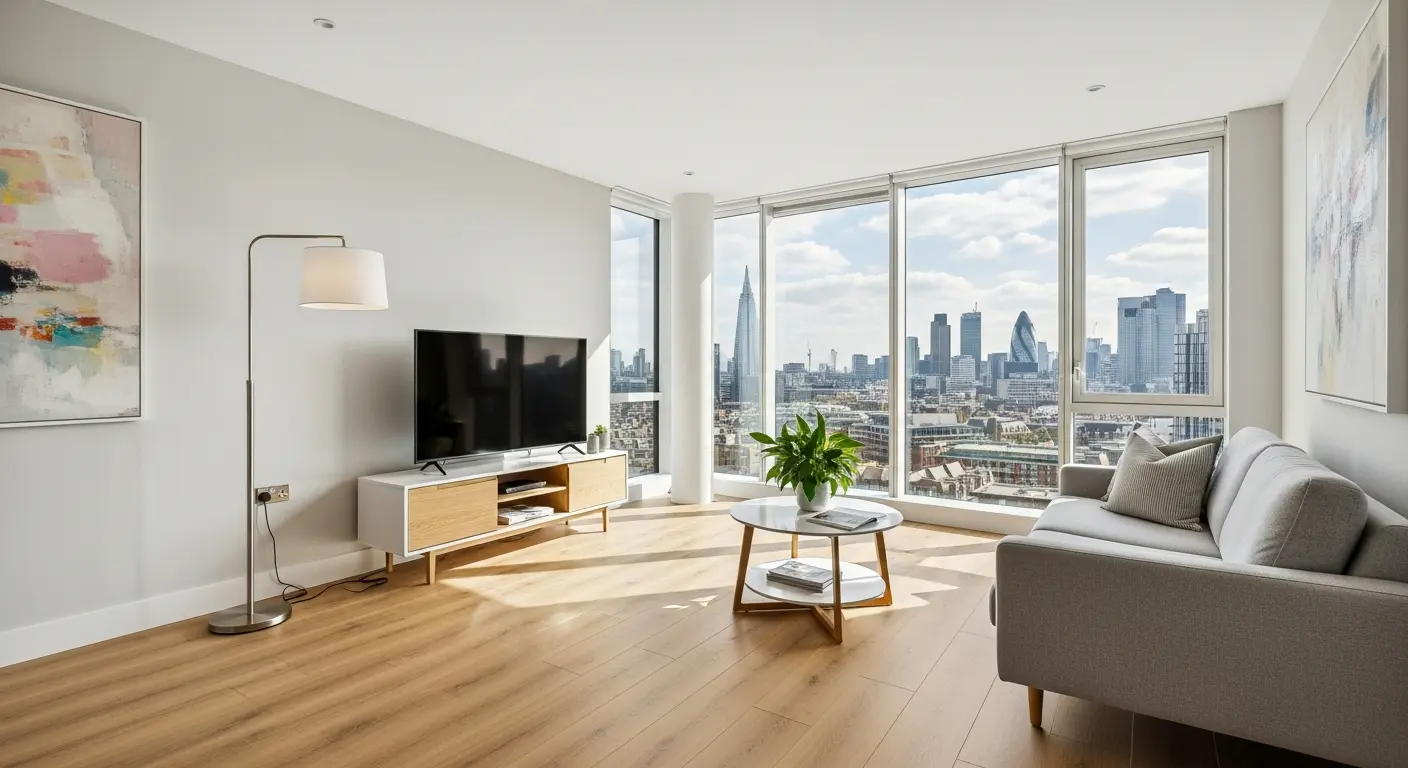
Where to Start
Choosing carpet for a London home involves more considerations than simply picking a colour you like. The flooring type, the way the property is built, the people and pets living in it, and the acoustic requirements of the building all shape what will actually work. This guide covers the key decisions, in the order you'll need to make them.
Wool vs Synthetic — The Fundamental Choice
Wool Carpet
Wool is the natural benchmark. It's resilient, which means the fibres spring back after compression rather than lying flat permanently. A good wool carpet in a bedroom or living room will look almost as good after ten years of moderate use as it did when laid. Wool also regulates humidity naturally — it absorbs and releases moisture without damage — and is naturally fire-resistant, a meaningful quality in a densely built city like London.
Wool's main limitations are cost and maintenance. It is more expensive than synthetic alternatives and requires more careful cleaning — certain cleaning products and excessive moisture can damage wool fibres. It is not ideal for rooms with very high foot traffic or where children and pets are regularly walking with muddy shoes.
Synthetic Carpet
Nylon is the strongest of the synthetic fibres, with excellent resilience and good resistance to abrasion. It's a sensible choice for hallways, stairs, and busy family rooms. Polypropylene (also called Olefin) is the most widely used synthetic — it's inherently stain-resistant because the colour runs through the fibre rather than being applied on top, making it practical for households with children or pets. It tends to flatten with heavy use, however, so it's better suited to moderate-traffic rooms.
Polyester is softer than nylon or polypropylene and takes colour well, producing vivid, clear shades. It's a popular choice for bedrooms and living rooms but wears faster than nylon in high-traffic areas.
Blended Fibres
An 80/20 wool-nylon blend is a widely used middle ground. It retains most of the appearance and feel of wool while the nylon content improves durability and reduces pilling. This blend is a reliable all-purpose choice and works well in living rooms, stairs, and bedrooms.
Pile Types and Their Uses
Twist Pile
The most versatile and widely fitted carpet type in London properties. Each fibre is tightly twisted, which makes the pile resilient and reduces footprint marks. A high-density twist pile wears evenly and is suitable for every room in the house, including hallways and stairs. Saxony is a longer, softer version of twist pile with a luxurious feel — better suited to bedrooms and living rooms where it won't be walked on with heavy footfall.
Loop Pile
Loop pile (also called Berber when it uses a chunky, flecked yarn) leaves the fibres uncut, creating a durable, flat surface. It handles heavy traffic well and is a practical choice for offices, hallways, and commercial spaces. Loop pile is not recommended for homes with cats, whose claws can catch and pull the loops. It's also less forgiving of subfloor imperfections, so a smooth, level subfloor is important.
Cut and Loop (Combination Pile)
A mix of cut and looped tufts creates texture and pattern. These carpets look distinctive and can add visual interest to a room without the softness of a full cut pile. The textured surface hides footprints and vacuum marks effectively.
London Flat Considerations
Acoustic Underlay
In a London flat — particularly in converted Victorian or Edwardian houses — sound insulation is not optional. Impact noise (footsteps, dropped objects) travels readily through timber suspended floors. A quality acoustic underlay significantly reduces the sound transmitted to the flat below and helps meet the requirements of Building Regulations Part E, which governs sound insulation in converted dwellings.
Rubber and felt-crumb underlays provide the best acoustic performance. Standard foam underlays offer some cushioning but less sound absorption. If your lease or building management specifies minimum sound insulation requirements, we can advise on appropriate underlay specifications and combinations.
Underfloor Heating
Carpet is compatible with underfloor heating but the total thermal resistance — carpet plus underlay combined — must stay within the manufacturer's recommended range for the heating system to operate efficiently. Thinner carpets with a heat-conducting underlay (rather than a thick foam slab underlay) work best. We can advise on suitable combinations during a home consultation.
Room by Room
Bedrooms: Soft pile, comfort underfoot, and good acoustic performance. Wool twist or a good quality synthetic Saxony suits most London bedrooms. Lighter colours make the room feel larger.
Living rooms: Medium-weight twist or loop pile. An 80/20 wool-nylon blend holds its appearance well and handles moderate foot traffic. Darker tones show less day-to-day wear.
Hallways and stairs: High-traffic areas need durable, short-pile carpets. Tight loop pile or a dense twist pile in a medium to dark shade. Avoid pale colours that show every mark.
Children's rooms: Stain-resistant polypropylene or a treated wool blend. Easy to clean and forgiving of accidents. A mid-range, dense pile is more practical than a luxury Saxony.
Next Steps
The best way to choose carpet is to see and feel samples in your own home, under your own lighting. Book a free home consultation and we'll bring the samples to you — from our full carpet range including wool, synthetic, and blended options. We measure, advise, and quote at the same visit. Call 020 7224 8876 or visit our showroom at 31 Crawford Street, Marylebone.