
Flooring for Open Plan Living: Zoning Without Walls
Create cohesive yet defined spaces in open-plan homes. How flooring choices help zone activities without physical barriers.
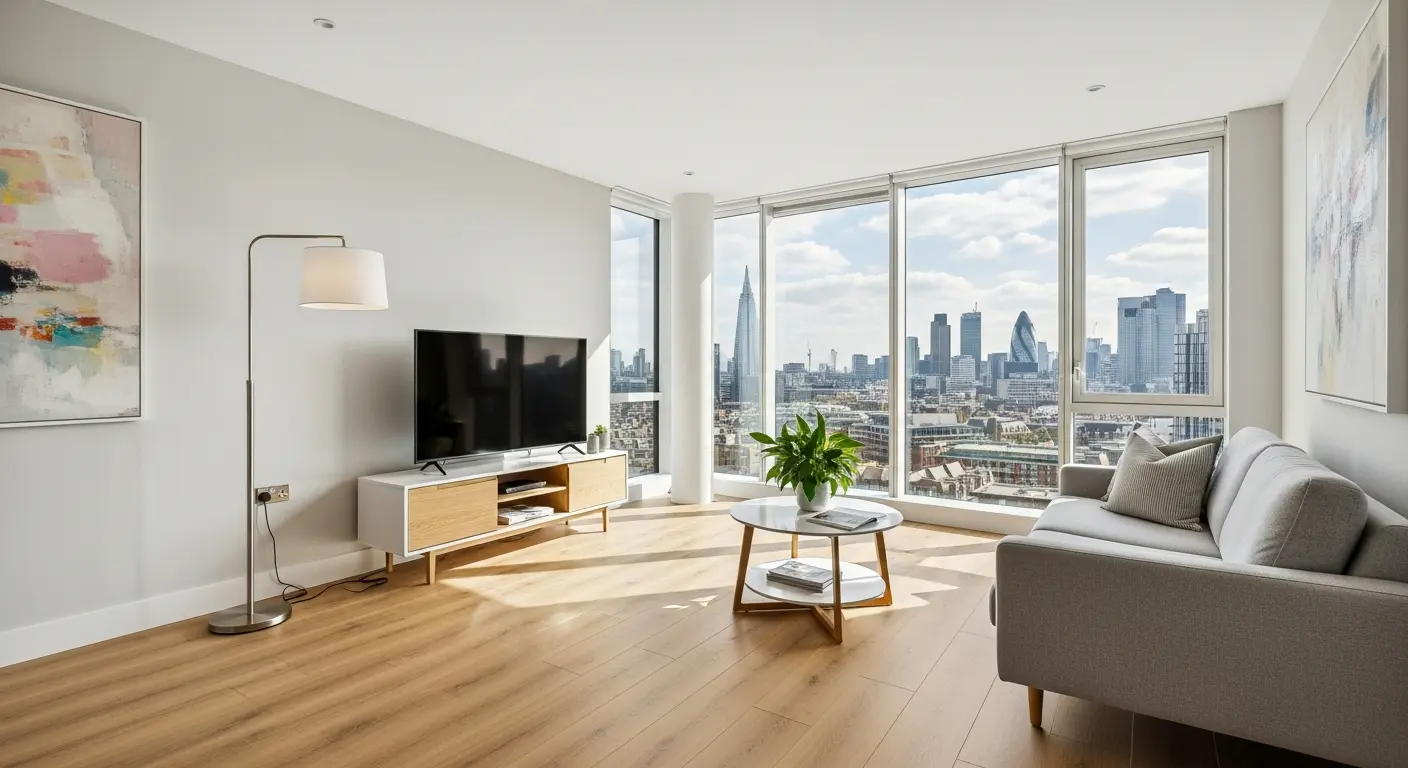
Quick Takeaways
- Continuous flooring maximises perceived space and creates visual flow
- Different flooring can define activity zones without walls
- Rugs add soft zoning without permanent divisions
- Consider practical requirements of each zone (water, wear, comfort)
- Quality transitions are essential where flooring types meet
The Open Plan Challenge
Open-plan living dominates modern London homes. Kitchen, dining, and living areas flow together; home offices merge with living spaces; boundaries blur. This creates wonderful social spaces but presents flooring decisions more complex than traditional room-by-room choices.
Without walls to define spaces, flooring becomes a key tool for creating zones while maintaining visual connection. Get it right, and open-plan living feels coherent and functional. Get it wrong, and spaces feel confused or impractical.
Strategy 1: Continuous Flooring
The Case for Consistency
Using the same flooring throughout open-plan spaces offers compelling advantages:
- Perceived space: Continuous floor visually extends the room, making the total area feel larger
- Visual calm: One material creates harmonious, uncluttered appearance
- Flexibility: Zones can evolve without flooring constraints
- Simpler installation: No transitions to plan or maintain
Making It Work
For continuous flooring to succeed across zones with different demands:
- Choose materials that handle all zones: LVT works kitchen-to-living; carpet doesn't
- Consider practical requirements: waterproofing in kitchen areas, comfort in living zones
- Rugs add zone definition and comfort without breaking floor continuity
Best continuous options: Quality LVT (waterproof, comfortable, attractive), engineered wood (warm, stylish, requires care in wet zones), large format porcelain (durable, waterproof, cold without UFH).
Strategy 2: Zoned Flooring
The Case for Different Materials
Using different flooring for different zones offers:
- Zone definition: Clear visual separation of activities
- Optimised performance: Each zone gets the most appropriate material
- Design statement: Contrast creates visual interest
- Practical matching: Tile in wet kitchen, wood in warm living area
Making Transitions Work
Where different flooring meets, transition quality matters:
- Height matching: Plan flooring build-ups so surfaces meet level where possible
- Profile selection: T-bars, ramps, or reducers depending on height difference
- Material choice: Metal (contemporary), wood (warm), or stone (luxury) transition strips
- Positioning: Transitions work best at natural boundaries - where a wall would be, or at doorways
Zoning with Rugs
Rugs offer flexible, non-permanent zoning:
- Living zone: Large rug defines seating area, anchoring furniture group
- Dining zone: Rug beneath table creates visual boundary
- Office zone: Rug delineates workspace within larger room
Rugs add texture and colour, manage acoustics, and can change as needs evolve - valuable in rental properties or homes where flexibility matters.
Practical Zone Considerations
Kitchen Zone
Kitchens need water-resistant flooring that handles spills, dropped items, and heavy foot traffic. Standing comfort matters for cooking time. If continuing flooring from living areas, ensure it handles kitchen demands.
Dining Zone
Chairs sliding, food spills, and underneath-table cleaning all affect flooring choice. Consider how flooring performs with dining furniture use.
Living Zone
Comfort underfoot, acoustic performance, and aesthetic warmth matter most. This zone tolerates carpet better than kitchen or dining areas.
Acoustic Considerations
Open-plan spaces amplify sound - noise travels without walls to absorb it. All-hard flooring can be noisy. Consider:
- Acoustic underlays beneath hard flooring
- Strategic rugs in seating and conversation areas
- Soft furnishings (curtains, upholstery) to absorb sound
- Carpet zones for quiet areas (bedrooms off open spaces)
Heating and Comfort in Open Plans
Open-plan spaces with consistent hard flooring can feel cold without underfloor heating. Consider:
- UFH zones: Prioritise heating in living and sitting areas
- Rugs for warmth: Add textile comfort to hard floor surfaces
- Material choice: LVT is warmer underfoot than tile; engineered wood warmer than concrete-effect surfaces
- Thermal mass: Some flooring retains heat longer (tile, stone) which can be beneficial with UFH
Open Plan Lighting and Flooring
Light quality varies across large open-plan spaces. Natural light near windows differs from artificial light in deeper areas. Consider:
- Sample flooring in both bright and dim areas of your space
- Continuous flooring should work in all lighting conditions
- Glossy finishes may create glare near windows
- Colour consistency matters - view samples across the full floor area
Children and Pets in Open Plans
Family homes with open-plan living need flooring that handles everything:
- Durability: High traffic across connected spaces concentrates wear
- Waterproofing: Kitchen spills spread easily in open layouts
- Comfort: Children playing need softer surfaces in some areas
- Cleanability: Mess travels further in open plans - easy cleaning is essential
LVT often proves ideal for family open-plan spaces - waterproof, durable, comfortable, and easy to clean throughout.
Conclusion
Open-plan flooring balances cohesion with practical needs. Consider how each zone will be used, what materials best serve those uses, and how transitions between materials (or continuity of one material) achieve both function and aesthetic goals. Factor in acoustics, heating, lighting variations, and family life when making decisions. Work with flooring specialists who understand open-plan challenges for best results in your London home.