Safety Flooring in London: What It Is, Where It's Used, and How to Choose
A complete guide to safety flooring for London homes and businesses. Covers slip resistance ratings, where safety flooring is required, leading brands, and installation advice from Yazco Carpets.
What Is Safety Flooring?
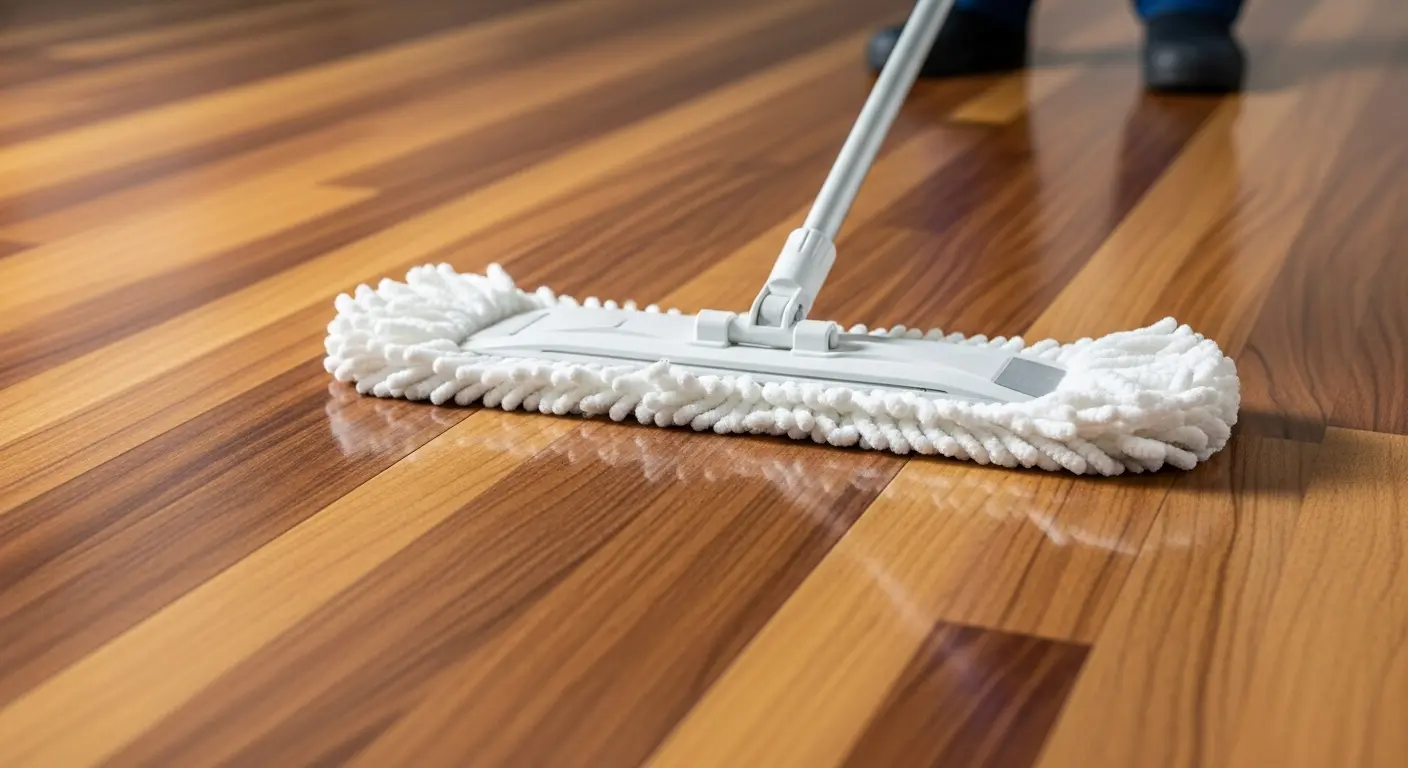
Safety flooring is a category of resilient, vinyl-based flooring engineered to remain slip-resistant when wet. The slip resistance is built into the wear layer of the flooring using mineral aggregates — typically aluminium oxide, quartz, or silicon carbide — which create a textured surface that provides grip underfoot even when the floor is wet, greasy, or contaminated.
It is not simply a standard vinyl floor with a non-slip coating applied on top. The aggregate is an integral part of the flooring structure, which means the slip resistance does not wear off with cleaning or foot traffic. This makes safety flooring a reliable long-term solution for environments where floor safety is a priority.
Slip Resistance Ratings Explained
Safety flooring is classified by slip resistance using standardised tests. The two most relevant systems for UK installations are:
R-Rating (DIN 51130): Used primarily for commercial and industrial environments where footwear is worn. The scale runs from R9 (low slip resistance, suitable for corridors and circulation areas) to R13 (highest slip resistance, used in industrial kitchens, slaughterhouses, and areas with significant grease or oil contamination). For most commercial kitchens, R10 or R11 is the standard specification.
P-Rating (DIN 51097): Used for barefoot areas such as swimming pool surrounds, changing rooms, and shower areas. The scale runs from P3 (moderate) to P5 (highest). Barefoot environments require a different test method because the interaction between wet skin and a floor surface differs from the interaction between rubber soles and a surface.
When specifying safety flooring for a London project, we match the product to the environment, the level of contamination likely to be present, and the type of footwear worn in the space.
Where Safety Flooring Is Used
Commercial Kitchens and Food Service
Commercial kitchens in London restaurants, hotels, and catering facilities are required under health and safety legislation to have floors that are safe, non-slip, and easy to clean. Grease, water, and food debris create a high slip risk. Safety flooring rated R10 or R11 — from manufacturers such as Polyflor, Forbo, Altro, or Tarkett — is the standard solution. It handles chemical cleaning agents, steam cleaning, and the heavy rolling loads of kitchen equipment.
Hospitals, Care Homes, and Healthcare Facilities
Healthcare environments have specific requirements for hygiene, infection control, and patient safety. Safety flooring in hospitals and care homes must be slip-resistant, seamless where possible (to prevent bacterial harbouring at joins), and resistant to a wide range of cleaning chemicals. Heterogeneous vinyl safety floors from Polyflor and Forbo are widely specified in NHS and private healthcare environments across London.
Schools and Educational Buildings
Schools require flooring that can withstand heavy foot traffic, cleaning, and the particular hazards of wet corridors and changing rooms. Safety flooring is standard in school toilets, changing areas, sports halls, and food technology rooms. The durability of commercial-grade safety flooring suits the institutional demands of an educational setting.
Gyms, Leisure Centres, and Swimming Pools
Wet leisure environments — pool surrounds, changing rooms, shower areas — require barefoot-rated (P-scale) safety flooring. The combination of water, soap, and bare feet creates a significant slip risk that standard flooring cannot address. Purpose-made pool-surround safety flooring provides grip without the cold, abrasive feel of concrete or ceramic tile.
Offices and Retail
Building entrances, lift lobbies, and areas prone to wet weather tracking are often specified with safety flooring rather than polished stone or ceramic tile. The reduction in slip incidents is a meaningful risk management benefit for commercial property owners and facilities managers.
Domestic Wet Rooms and Bathrooms
Safety flooring is an increasingly popular choice for domestic bathrooms and wet rooms in London. It provides a more slip-resistant surface than standard LVT or ceramic tile — particularly important for elderly residents or households with young children — without the cold, hard feel of tile. Modern domestic safety flooring is available in wood and stone effect designs that are attractive and unobtrusive.
Leading Safety Flooring Brands
Polyflor: One of the most widely specified safety flooring brands in the UK. The Polysafe range covers environments from domestic wet rooms to industrial kitchens, with slip resistance ratings from R9 to R12. Polyflor is manufactured in the UK and is used extensively in NHS and local authority contracts.
Forbo Flooring (Sarlon and Eternal ranges): Forbo's safety ranges are widely used in healthcare and education. The Sarlon acoustic safety floor is particularly valued in hospital environments where noise reduction is as important as slip resistance.
Altro: Altro pioneered safety flooring in the UK and remains the benchmark for food production, commercial kitchen, and heavy-duty environments. Altro Whiterock wall cladding paired with Altro safety flooring is the standard specification for commercial kitchens seeking a fully hygienic, cleanable surface.
Tarkett: Tarkett's iQ and Acczent ranges offer commercial and healthcare safety flooring with good design options and a strong sustainability profile.
Installation Considerations
Safety flooring is typically installed as a fully adhered sheet vinyl, with heat-welded seams to create a continuous, waterproof surface. This differs from click-fit LVT planks, which have joins that can allow water ingress. For wet areas and commercial kitchens, heat-welded sheet installation is the correct approach.
Subfloor preparation is critical. Safety flooring magnifies any irregularities in the subfloor, so a smooth, level surface — achieved with self-levelling compound where needed — is essential before installation. We assess and prepare the subfloor on every project as part of our standard installation process.
For coved skirting — where the flooring material is turned up the wall to create a seamless, cleanable junction between floor and wall — additional material and specialist tools are required. Coved skirting is standard in commercial kitchens and healthcare environments and we install it to the full depth required by the specification.
Safety Flooring Supply and Installation in London
Yazco Carpets supplies and installs safety flooring across Central London for restaurants, offices, healthcare facilities, schools, and domestic clients. We stock products from Polyflor, Forbo, Altro, and Tarkett, and can advise on the correct specification for your environment and budget. Our team carries out a free site survey, prepares the subfloor, installs and heat-welds the flooring, and completes coved skirting where required.
To discuss a safety flooring project, call 020 7224 8876, email [email protected], or book a free site visit. Our showroom is at 31 Crawford Street, Marylebone W1H 1LR.