Flooring for New Build Homes: What Developers Don't Tell You
Navigating flooring choices in new build properties. What's included, what's worth upgrading, and what to watch for in construction drying times.
Quick Takeaways
- Standard developer flooring is typically entry-level quality
- New builds need drying time before wood/laminate installation
- Developer upgrades may not offer the best value - compare alternatives
- Insist on moisture testing documentation
- Consider waiting and upgrading independently after completion
The New Build Flooring Reality
London's new build market ranges from studio apartments to luxury houses. One thing unites them: standard flooring specifications are typically the minimum acceptable quality. Developers work to tight specifications and margins - flooring is an easy place to economise.
Understanding Developer Options
Standard Specification
Typically includes:
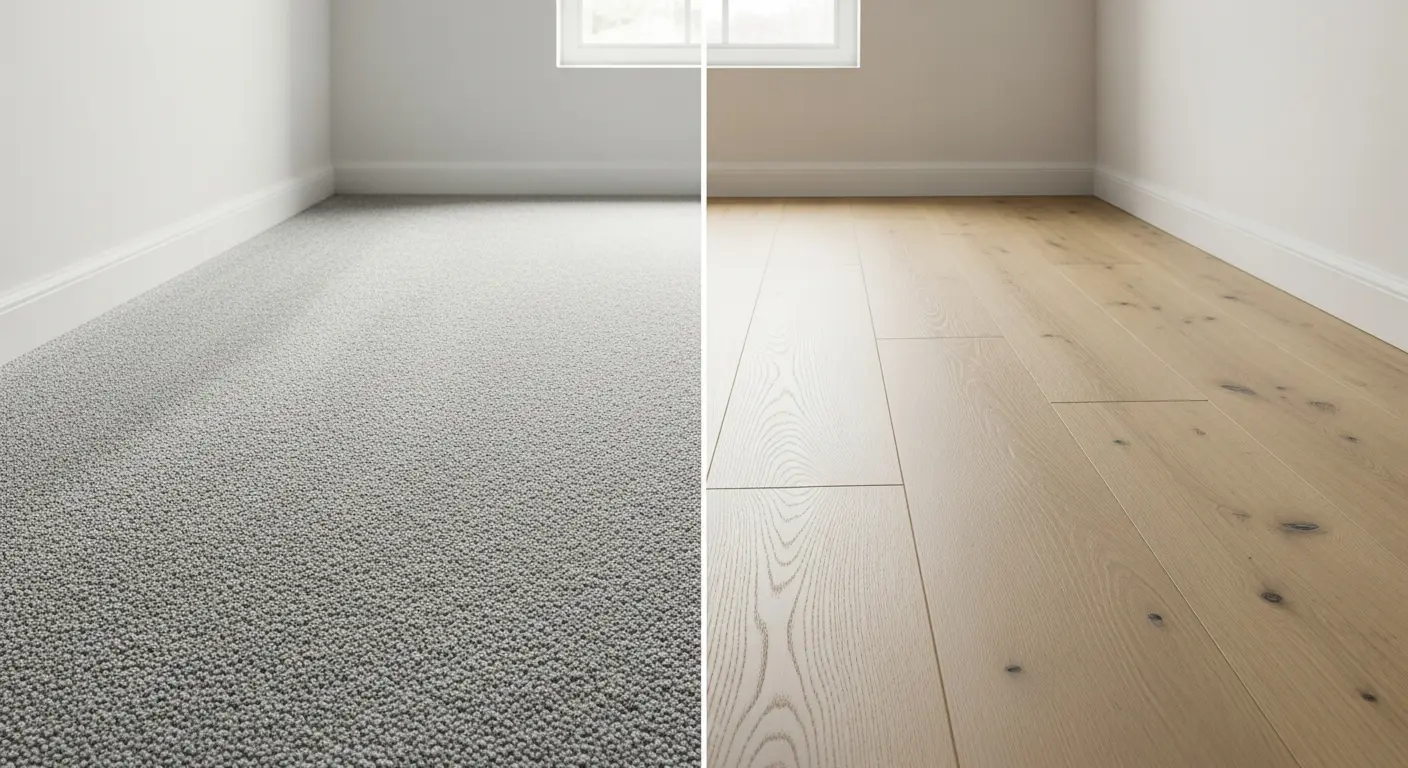
- Entry-level carpet tiles or basic carpet in bedrooms
- Entry-level laminate or LVT in living areas
- Basic tiles in bathrooms
These products meet minimum standards but rarely impress for quality or aesthetics.
Developer Upgrades
Most developers offer upgrade packages. Common options include:
- Premium carpet grades
- Engineered wood or premium LVT
- Higher-spec tiles
Warning: Developer upgrade packages may not always offer the best value compared to independent supply and fit. Compare quotes before committing.
The Moisture Problem
This is critical for new build flooring. Construction generates significant moisture in concrete, screed, and plastering. This moisture needs months to dry naturally.
Rushing flooring installation on wet subfloors causes:
- Wood and laminate swelling, cupping, and buckling
- Adhesive failure on LVT and tiles
- Mould growth beneath flooring
- Voided warranties on flooring products
Conclusion
Approach new build flooring with informed caution. Developer standard specifications are rarely worth living with long-term. Developer upgrades are convenient but may not always offer the best value. The best approach for quality and value is often accepting standard specification initially, allowing proper drying time, then upgrading independently with quality products and professional installation.