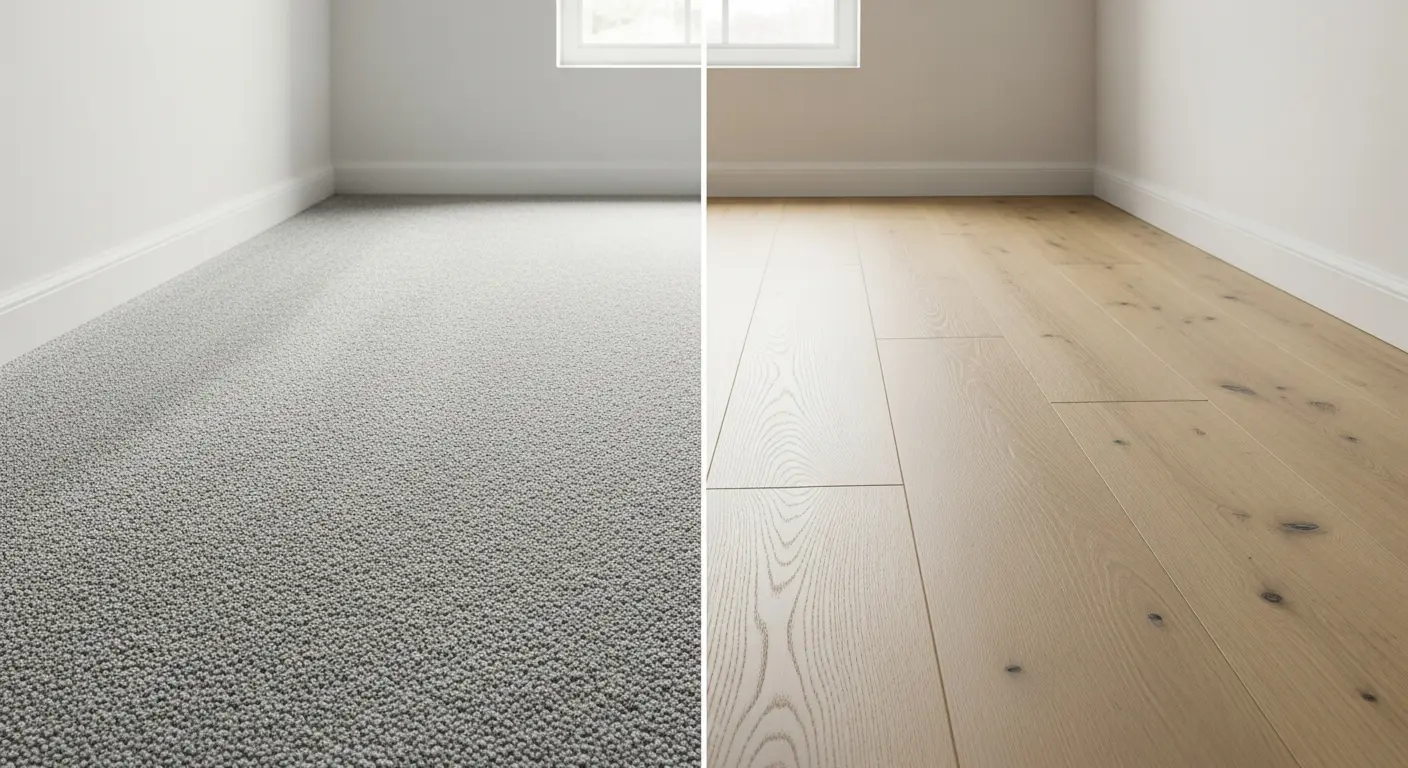
Flooring for London Extensions & Loft Conversions
Choosing flooring for your new space. Navigate building regulations, structural considerations, and design choices for extensions and conversions.
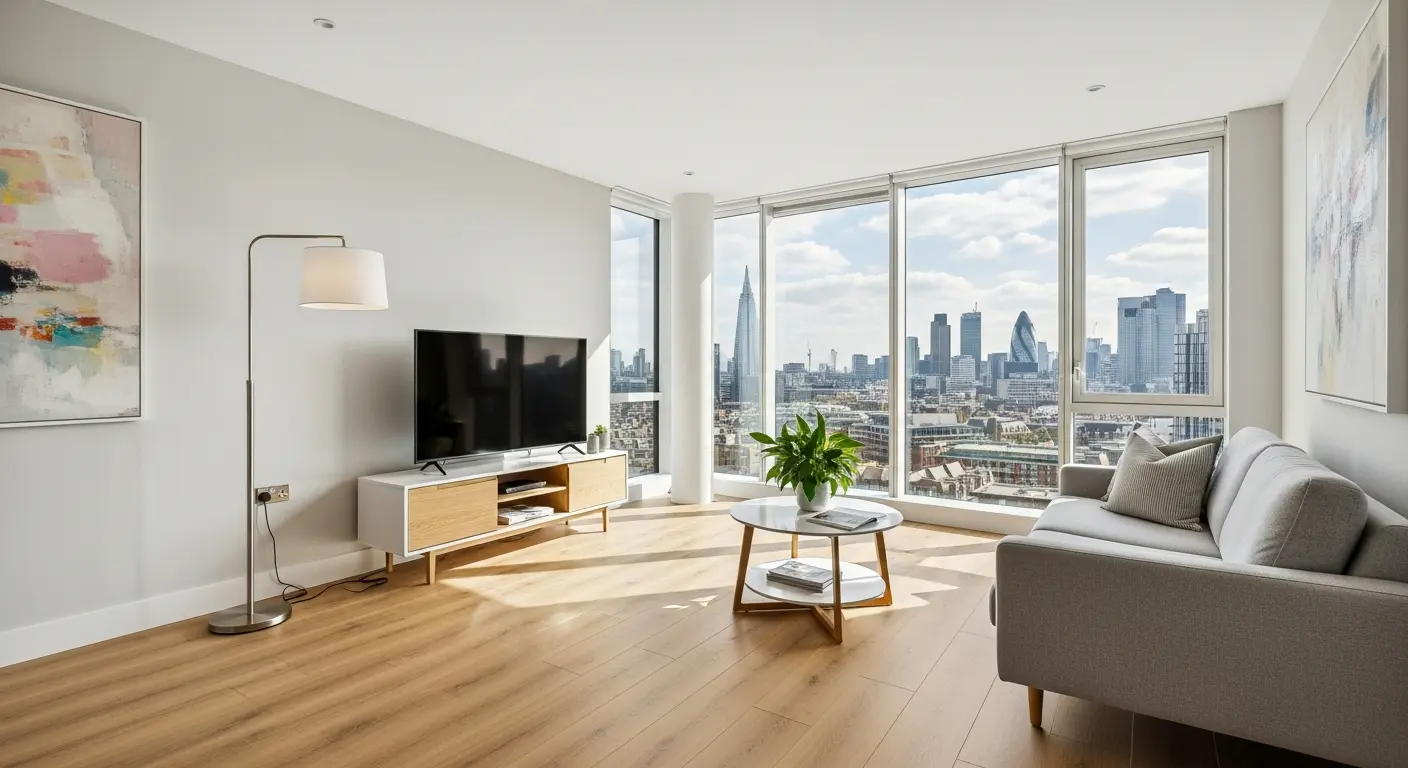
Quick Takeaways
- Building regulations affect flooring choices in conversions
- Allow adequate drying time for new concrete/screed
- Acoustic requirements are common in loft and garage conversions
- Consider flow between old and new spaces
- Underfloor heating suits extension projects well
Extension Flooring Considerations
Extensions represent significant investment - the flooring should match the quality of construction. London's extension market spans everything from simple rear additions to ambitious wraparound projects with multiple levels. Each presents different flooring considerations.
Building Regulation Impacts
Sound Insulation
New habitable rooms (including loft conversions) must meet Approved Document E sound insulation requirements. This typically means acoustic underlays with documented performance. Keep documentation for building control sign-off.
Fire Safety
Escape routes may require specific fire-rated flooring. Check Part B requirements for your project. This particularly affects loft conversions where new staircases form escape routes.
Practical Considerations
Subfloor Drying
New concrete and screed need extensive drying time before flooring installation. As a rule of thumb, allow 1mm drying depth per day for screeds up to 50mm thick, and 1mm per 2 days over 50mm. A 65mm screed needs approximately 80 days minimum.
Rushing this stage causes flooring failure. Always moisture test before installation and document results for warranty purposes.
Underfloor Heating
Many extensions incorporate UFH - it maximises usable space in compact additions and works efficiently with extensions' typically good insulation. Choose compatible flooring: engineered wood, LVT, or tile. Commission UFH fully before flooring installation.
Conclusion
Extension flooring deserves careful planning early in the build process. Allow adequate drying time, meet building regulation requirements, and choose materials that complement both the new space and your existing home. The result should feel like a seamless part of your property for years to come.